-
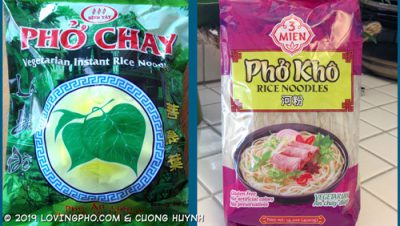
Quick Cook Banh Pho Noodle
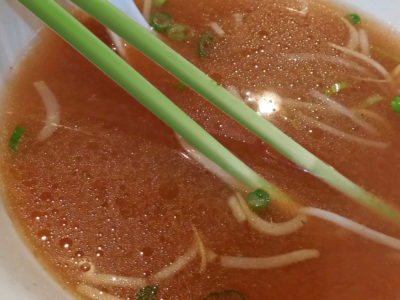
Does anybody know of a quicker cook banh pho noodle beside the fresh kind? A Pho Forums subscriber asks. Here are a couple of good options for quick cook banh ... -
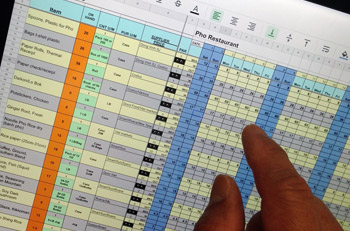
Inventory System Part 3: What Would You Categorize These Items as?
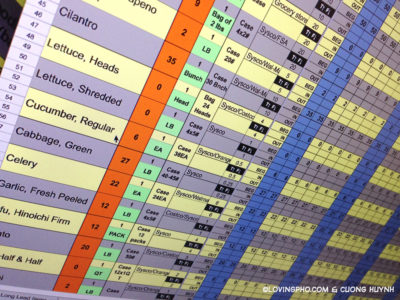
How to set up and run a restaurant inventory system correctly: Tips and suggestions to help a restaurant owner with his inventory system dilemma. -
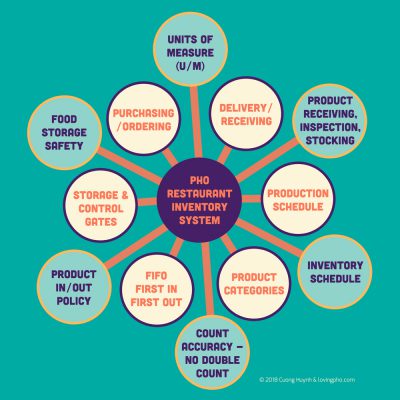
Inventory System For Pho Restaurant, Part 2: Key Characteristics
Pho restaurant inventory system. In this post, I discuss what an inventory system should and must have, and explain key characteristics that enable a solid inventory system. -
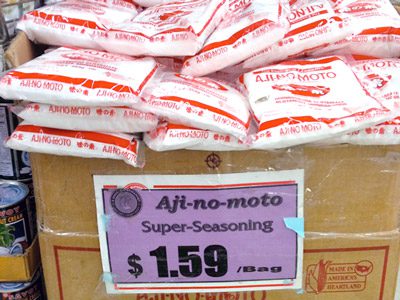
This Podcast Contains MSG - More On MSG, And Pho And MSG
Listen to Dan Pashman and his Sporkful podcast on MSG and pho, with Andrea Nguyen and her take on MSG and its use in pho, Vietnamese and other Asian cuisines. -
Leftover Pho: A Better Alternative
If you're one of those who take home leftover pho broth from a pho restaurant, then here's a better alternative to enjoy more and better pho at home. -
Best Practice Inventory System For Pho Restaurant Profit, Part 1
A good inventory system can make or break a restaurant, and pho restaurants are no exceptions. Here are top characteristics of a solid pho restaurant inventory system. -
How Best To Add Spices When Making Pho Broth?
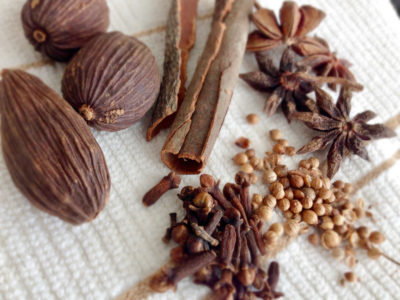
A reader asks: When simmering pho broth, when do you put the spices in the pot? And do they need to cook as long as the bones? Here are some ... -
Will You Eat Pho With MSG? A Pho Poll Result
An update on Pho and MSG poll. Read about what pho eaters say about having pho with different levels of MSG, and my take on the "never MSG" pho crowd. -
Importance Of A Well Developed Pho Restaurant Concept
Among the most abstract steps in creating a new pho restaurant is to start with a solid concept. Here's a discussion on the importance of a well-developed pho restaurant concept. -
How To Design, Build and Operate Vietnamese Pho Restaurants
What does a pho restaurant consultant do? Get answer to this question, and acquire knowledge and experience quickly without making expensive and avoidable mistakes.

Pho Ingredients & Garnishes
Learn more about pho ingredients and garnishes, where they come from, and how they contribute to a great pho experience. Also how pho ingredients and garnishes help you customize your own pho and help make Vietnamese pho the best soup noodle you can eat.